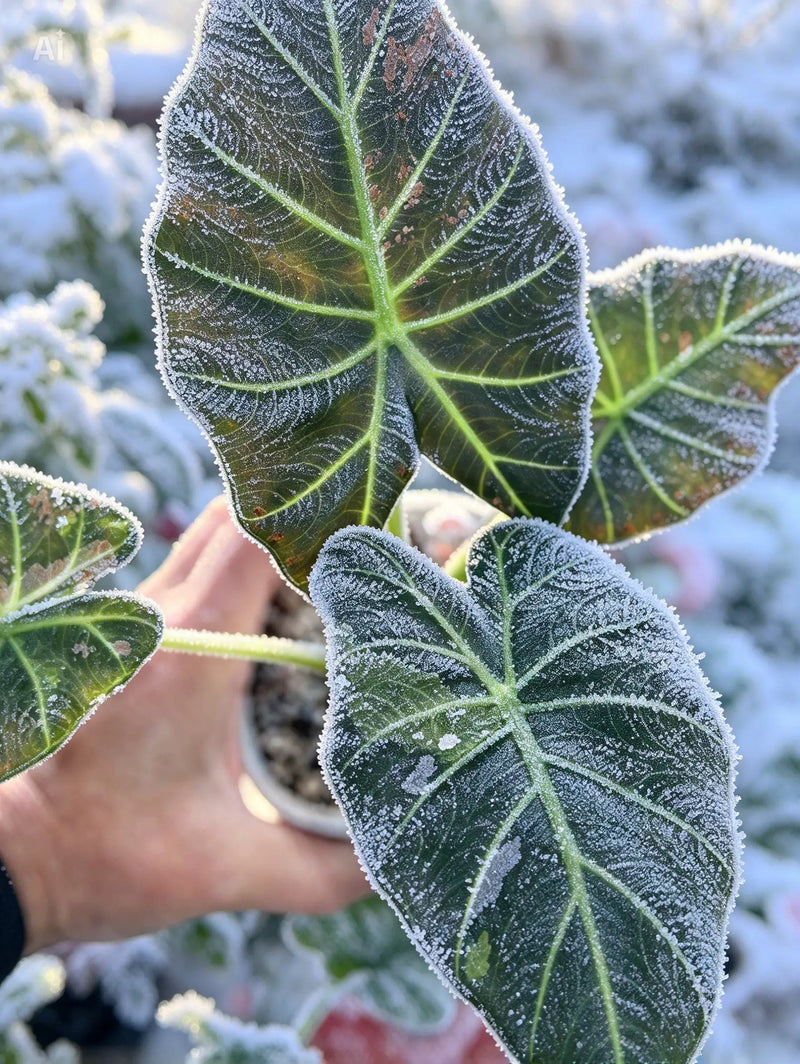

PROPAGATING ALOCASIA CORMS
Propagating Alocasia corms is one of the most reliable ways to expand your collection, and Fluval Stratum makes it remarkably simple. This substrate creates the ideal environment for dormant corms to break dormancy and develop strong root systems. Whether you're propagating rare cultivars or scaling up proven plants, this guide will walk you through every step.
TL;DR
- Fluval Stratum is ideal for corm propagation due to its water retention and natural minerals
- Keep corms warm (24–27°C) using a heat mat and maintain consistent moisture
- Dormancy is normal; corms may take 4–8 weeks to show growth
- Use the Corm Keeper system to elevate corms and optimise air circulation
- Transfer seedlings to your preferred substrate once roots and shoots develop
Why Propagate Alocasia Corms?
Alocasia corms offer several advantages over seed or stem cutting propagation. Unlike seeds, corms carry genetic information from mature plants, meaning your propagated plants will be identical to the parent. Corms also mature faster than seedlings, often producing usable plants within a single season.
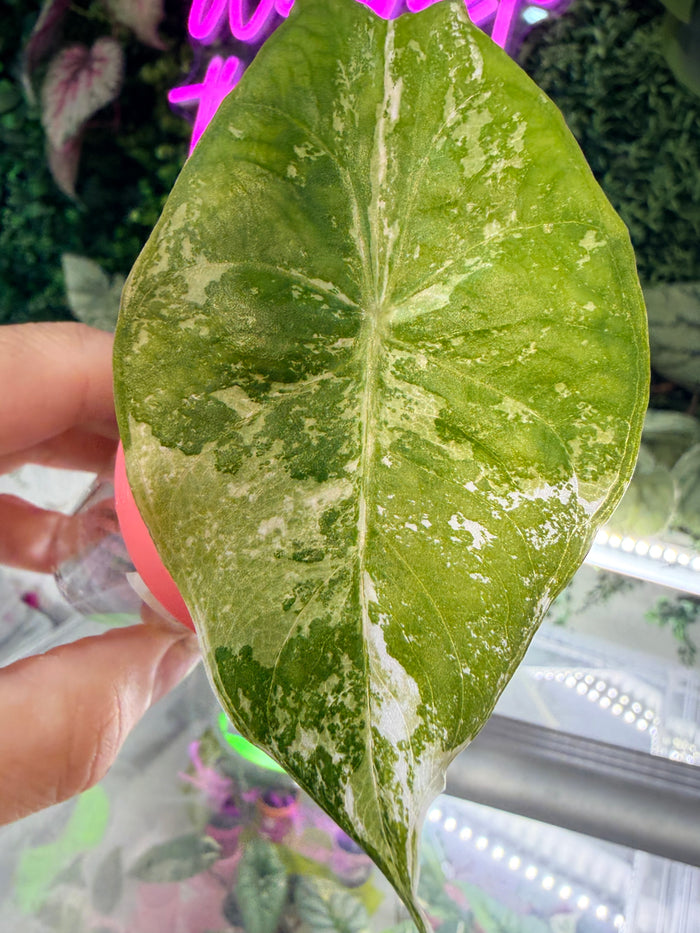
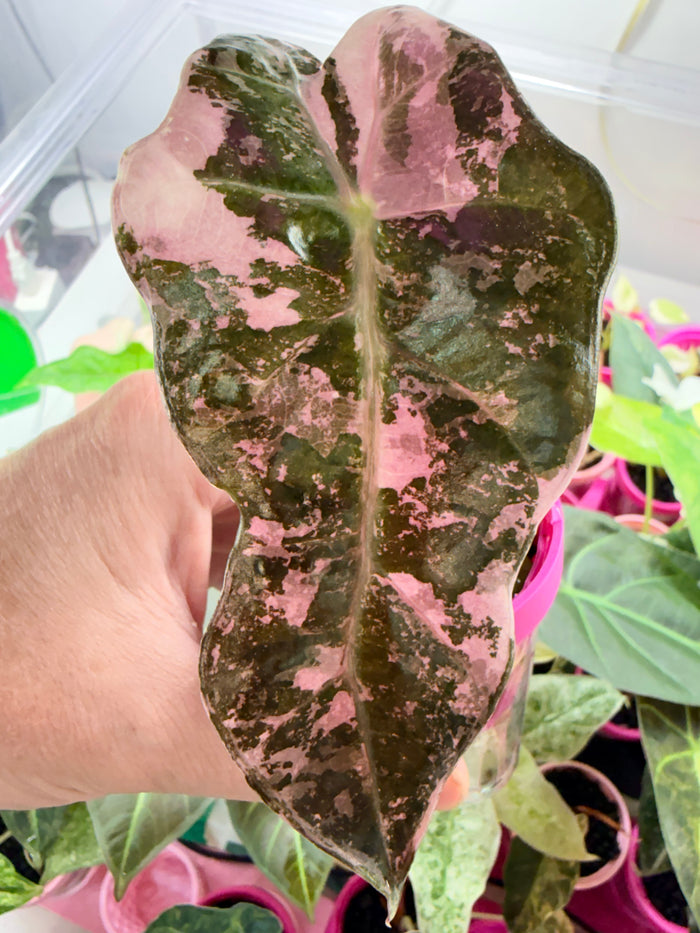
For collectors of rare pink variegated cultivars and specialty selections, corm propagation is the only reliable method to maintain variegation. It's also ideal if your mature Alocasia plant has produced offset corms, recycling these corms maximises your investment.
Why Choose Fluval Stratum?
| Feature | Benefit for Corm Propagation |
|---|---|
| Porous Structure | Excellent drainage; corms won't rot even with regular watering |
| Natural Minerals | Low nutrient release supports gentle initial growth without fertiliser burn |
| pH Stability | Maintains slightly acidic conditions (corms prefer pH 5.5–6.5) |
| Lightweight | Easy to position corms and monitor progress without disturbance |
| Moisture Retention | Holds water around the corm without becoming waterlogged, critical during dormancy |
While many substrates work for established plants, Fluval Stratum combines water retention with aeration in a way that corms specifically need. The particle size also makes it easy to check on corm progress without disturbing the growing medium.
Supplies Checklist
- Fluval Stratum substrate (3–5 liters per propagation tray)
- Shallow propagation tray or container with drainage holes
- Heat mat (thermostat recommended for temperature control)
- Thermometer to monitor temperature
- Corm essentials (humidity dome or clear cover)
- Healthy, dormant Alocasia corms
- Optional: grow essentials for supplemental light
- Watering can or spray bottle
The Corm Keeper System
For serious propagators, the Corm Keeper is a game-changer. This 3D-printed propagation system elevates corms slightly above the substrate surface, promoting air circulation around the crown whilst keeping the lower portion in contact with moisture. This prevents corm rot, one of the most common failures in propagation.
The Corm Keeper also makes it easier to monitor progress and position corms consistently within your propagation setup. If you're propagating multiple corms or valuable cultivars, this investment pays for itself through improved success rates.
Step-by-Step Guide
Step 1: Prepare Your Container and Substrate
Fill your propagation tray with Fluval Stratum to a depth of 4–5 cm. The substrate should be evenly distributed and slightly pre-moistened. Ensure your tray has drainage holes, waterlogging is the quickest way to lose corms.
Step 2: Position Your Corms
Place corms with the crown (flat top) slightly above the substrate surface. If using the Corm Keeper system, nest the corm into the holder and position it so the bottom third of the corm touches the substrate. Space corms 5–7 cm apart to allow for air circulation.
Step 3: Set Up Heat and Humidity
Place the tray on a heat mat and cover with a humidity dome or clear plastic tent. Maintain temperature between 24–27°C, corms are extremely temperature-sensitive and will remain dormant below 20°C. A thermostat helps prevent overheating above 28°C.
Step 4: Maintain Moisture and Monitor
Water lightly every 3–4 days, keeping the substrate consistently moist but not soggy. The Fluval Stratum's porosity makes this easier than with standard potting soil. Use a spray bottle to mist the corm crown lightly, this prevents drying whilst preventing water pooling.
Check corms weekly for signs of mould or rot (unusual darkening). If you see either, reduce watering frequency slightly and increase air circulation by cracking open the humidity dome for 1–2 hours daily.
Step 5: Wait for Dormancy Break (4–8 Weeks)
This is the hardest part. Dormancy break is unpredictable and varies by cultivar. Some corms shoot within 2 weeks; others take 8 weeks or more. Resist the urge to disturb them, patience is essential. You'll know it's working when the crown begins to soften and small red or white protrusions appear.
Step 6: Transition to Growing Conditions
Once shoots emerge and roots develop (usually 1–2 cm visible), remove the humidity dome gradually over 3–5 days. Begin introducing indirect light, consider supplemental LED grow lights if your windowsill isn't bright enough. Maintain warmth from the heat mat for another 2–3 weeks as the plant establishes.
Step 7: Transfer to Standard Potting Mix
Once the first true leaf develops and roots are 2–3 cm long, transfer your seedling to a small pot (6–8 cm diameter) with your preferred substrate, mix from available substrates or use chunky peat-free alternatives. Maintain humidity and warmth for another 2–4 weeks as the plant adjusts.
Common Issues & Fixes
| Issue | Cause | Fix |
|---|---|---|
| No dormancy break after 8 weeks | Temperature too low; corm in deep dormancy | Increase temperature to 27°C; ensure heat mat is functioning; be patient, some cultivars take 12+ weeks |
| Soft, mushy corm | Overwatering or poor drainage | Stop watering immediately; improve air circulation; check substrate for anaerobic conditions; consider repotting into fresh substrate |
| White or grey mould on corm crown | Humidity too high; poor air circulation | Reduce watering frequency; crack open humidity dome daily; remove affected tissue if possible |
| Shoot emerges but turns brown and stops | Temperature drop or inconsistent moisture | Maintain consistent warmth; avoid drying out substrate; ensure heat mat operates continuously |
| Root development slow or absent | Low temperature; low humidity | Increase heat mat temperature; ensure humidity dome is sealed; confirm good light once shoots emerge |
FAQs
Can I use standard potting soil instead of Fluval Stratum?
Technically yes, but not recommended. Standard potting soil compacts, retains too much water, and offers poor aeration. Fluval Stratum is worth the small extra cost for significantly better results.
What temperature is too hot for corms?
Above 28–30°C, corms may suffer heat stress or begin rotting. Keep your heat mat thermostat set to 25°C as a baseline; this provides consistent warmth without risk.
Why is my corm taking so long to break dormancy?
Some cultivars have naturally long dormancy periods. Rare selections and certain pink variegated forms often take 10–12 weeks. If your heat mat is working and temperature is correct, the corm is likely fine, just dormant.
Do I need the Corm Keeper system?
No, but it dramatically improves success rates, especially for beginners. The Corm Keeper prevents the most common failure point (corm rot) by maintaining ideal moisture and air balance.
Can I propagate corms in LECA or other inert media?
Yes, but corms need some moisture retention, pure LECA requires frequent watering and performs worse than Fluval Stratum. If you prefer LECA, mix it with peat or coco husk for better results.
What should I do if a corm develops rot mid-propagation?
Act quickly. Remove the corm, allow it to air-dry for 24 hours, trim away any soft tissue with a sterile knife, and dust with fungicide if available. Repot into fresh, completely dry Fluval Stratum. Reduce watering frequency and increase airflow.
Final Thoughts
Corm propagation rewards patience and attention to detail. By following this guide, using Fluval Stratum, maintaining consistent warmth, and respecting the dormancy process, you'll reliably expand your collection of rare and coveted Alocasia cultivars. Every successful propagation teaches you more about your plants and builds confidence for future batches.
Whether you're propagating pink variegated selections or scaling up a favourite cultivar, this method works. Start small, track what works for your conditions, and enjoy watching dormant corms transform into thriving plants.
Where to Go from Here
Once your corms have successfully propagated and matured, explore our full range of Alocasia house plants and mature plants. If you're interested in the science behind variegation in rare cultivars, read our guides on the mystery of pink variegation and our complete guide to Alocasia variegation types. Discover what makes rare cultivars like Alocasia Venom so sought-after.
For ongoing support with your propagation setup, explore our corm essentials and grow essentials collections to optimise every step of your process. If you're expanding your setup, LED grow lights and additional substrate options are available to support healthy growth.
Questions about corm propagation or Alocasia cultivation? Contact our team for expert guidance, we're here to help you succeed with rare and rewarding plants.