ALOCASIA ROOT ROT: THE COMPLETE GUIDE TO PREVENTION, IDENTIFICATION, AND RECOVERY

Root rot is the silent killer of Alocasia collections, a devastating condition that can destroy even the most prized specimens within days if left unchecked. For collectors investing in rare variegated Alocasia or nurturing expensive imports, understanding root rot isn't just helpful, it's absolutely essential for protecting your investment and maintaining a healthy collection.
This comprehensive guide draws on years of experience growing thousands of Alocasia in our UK-based private nursery, where we've learned through both success and painful losses exactly how to prevent, identify, and recover plants from root rot.
What Is Root Rot?
Root rot is a condition where plant roots decay and die due to pathogenic organisms, primarily fungi and bacteria, that thrive in oxygen-deprived, waterlogged conditions. Once established, these pathogens rapidly spread through the root system, destroying the plant's ability to absorb water and nutrients.
The Pathogenic Culprits
Several organisms cause root rot in Alocasia:
Pythium species: Water moulds that thrive in saturated substrates. Pythium is particularly aggressive and can kill an Alocasia within 48-72 hours of infection becoming established.
Phytophthora species: Similar to Pythium but often slower-acting. Creates characteristic brown, mushy roots with a distinct foul odour.
Fusarium species: Fungal pathogens that cause both root rot and stem rot. Can persist in substrate even after plant removal.
Rhizoctonia species: Fungi that attack roots and lower stems, particularly problematic in organic substrates.
Bacterial soft rot (Erwinia, Pseudomonas): Bacteria that cause rapid tissue breakdown, creating slimy, foul-smelling decay.
Why Alocasia Are Particularly Susceptible
Alocasia have evolved in tropical environments with:
- High rainfall but excellent drainage (rainforest floors, stream banks)
- Constant air circulation around roots
- Warm temperatures that promote rapid growth and recovery
In cultivation, especially indoors, we often inadvertently create the opposite conditions:
- Standing water in pot saucers or poorly-draining substrates
- Limited air exchange in enclosed growing spaces
- Cooler temperatures that slow growth whilst pathogens remain active
This mismatch between evolutionary adaptation and cultivation reality makes Alocasia extremely vulnerable to root rot.
How Root Rot Affects Alocasia
Understanding the progression of root rot helps you intervene at the earliest possible stage, dramatically improving recovery chances.
Stage 1: Initial Infection (Hidden)
What's Happening: Pathogenic spores present in substrate, water, or on tools encounter vulnerable root tissue. Infection establishes in damaged root tips, wounds, or areas weakened by overwatering.
Visible Symptoms: None. The plant appears completely healthy above ground whilst roots begin failing below.
Timeline: 12-48 hours from initial infection to established rot.
Critical Point: This is why prevention is so crucial, by the time you see symptoms, significant damage has already occurred.
Stage 2: Root System Compromise (Early Detection Window)
What's Happening: Pathogens spread through root cortex (outer root tissue), destroying cells and blocking water transport. Roots turn brown or black, becoming soft and mushy. The characteristic foul smell develops.
Visible Symptoms:
- Slight wilting despite wet substrate
- Lower leaves may yellow slightly
- Growth slows or stops
- Plant appears "off" but not obviously sick
Timeline: 2-7 days from initial infection.
Critical Point: This is your best intervention window. If you catch rot at this stage, recovery is highly likely with prompt action.
Stage 3: Severe Root Loss (Crisis Point)
What's Happening: Majority of root system destroyed. Remaining roots cannot supply plant's water needs. Pathogen may be spreading into corm or rhizome tissue.
Visible Symptoms:
- Obvious wilting even in wet substrate
- Multiple yellowing leaves
- Leaves dropping rapidly
- Stems becoming soft at base
- Plant collapsing
Timeline: 1-2 weeks from initial infection.
Critical Point: Recovery requires aggressive intervention. Without immediate action, plant will die within days.
Stage 4: Systemic Failure (Last Chance)
What's Happening: Root system essentially non-functional. Corm or rhizome may be infected. Plant surviving on stored reserves only.
Visible Symptoms:
- Complete wilting
- All leaves yellowing or browning
- Stems mushy and collapsing
- Foul smell noticeable when handling plant
- Plant appears dead or dying
Timeline: 2-3 weeks from initial infection.
Critical Point: Recovery possible only if corm/rhizome remains firm and healthy. Success rate below 30% even with optimal intervention.
The Early Warning Signs: What to Watch For
Successful Alocasia cultivation requires vigilant monitoring for these subtle early indicators of root trouble:
Above-Ground Symptoms
Wilting Despite Wet Substrate: The single most important warning sign. If your plant wilts even though the substrate is moist, roots are failing to transport water, likely due to rot.
Lower Leaf Yellowing: When older, lower leaves yellow whilst upper leaves remain green, this often indicates root problems preventing nutrient transport.
Growth Cessation: If a previously vigorous plant suddenly stops producing new leaves during growing season, check the roots immediately.
Leaf Droop: Healthy Alocasia hold leaves at characteristic angles. When leaves droop or sag despite adequate water, suspect root issues.
"Thirsty" Appearance That Doesn't Respond to Watering: Plant looks dehydrated, you water thoroughly, but appearance doesn't improve within 6-8 hours. This indicates roots cannot absorb the available water.
Below-Ground Investigation
Don't wait for severe above-ground symptoms. Periodically check roots directly:
Visual Inspection (for transparent pots or semi-hydro):
- Healthy roots: White, cream, or light brown with visible root hairs
- Rotting roots: Dark brown, black, or grey with slimy coating
Smell Test: Carefully lift plant slightly from pot and smell near substrate surface:
- Healthy: Earthy, slightly sweet smell
- Rotting: Sour, foul, sewage-like odour
Physical Examination: Gently probe substrate near container edges:
- Healthy: Firm substrate with visible healthy roots
- Problem: Mushy texture, roots that disintegrate when touched
Growth Pattern Check: Healthy Alocasia continuously produce new root tips (visible in transparent containers). Absence of new root growth during growing season suggests problems.
Primary Causes of Root Rot in Alocasia
Understanding causation enables effective prevention. Root rot almost never has a single cause, it results from multiple factors creating ideal conditions for pathogen proliferation.
Overwatering: The Primary Culprit
Why It Causes Rot: Waterlogged substrate forces air out of spaces between particles. Roots require oxygen for respiration, without it, root cells die, creating entry points for pathogens.
Common Overwatering Mistakes:
Watering on Schedule Rather Than Need: "Every Tuesday" watering ignores environmental variables. Temperature, humidity, light, and growth stage all affect water consumption. Water when the plant needs it, not when your calendar says to.
Not Allowing Substrate to Dry Slightly: Alocasia thrive with consistently moist (not wet) substrate. The top 2-3cm should dry between waterings, allowing oxygen to penetrate.
Poor Drainage: Heavy, compacted substrate or containers without adequate drainage holes trap water around roots.
Saucer Water: Leaving plants sitting in water-filled saucers forces roots to remain saturated continuously.
Large Container for Small Plant: Excessive substrate holds more water than roots can use, creating perpetually wet conditions in areas roots haven't colonised.
Inadequate Drainage and Aeration
Even with perfect watering, poor substrate structure dooms plants to root rot.
Compacted Substrate: Over time, organic matter breaks down and particles compress, eliminating air spaces essential for root health. Substrate should be replaced or amended annually.
Heavy Soil Mixes: Standard potting compost alone is too dense for Alocasia. They require significantly more aeration through additions like perlite, pumice, orchid bark, or transition to semi-hydroponic systems.
Insufficient Container Drainage: Single small drainage hole insufficient for Alocasia. Multiple larger holes or self-watering pots with built-in drainage provide better results.
Temperature and Environmental Factors
Cold Substrate: Alocasia roots function optimally at 18-27°C. Cold substrate (below 15°C) slows root activity whilst pathogens remain active, creating conditions where infection outpaces plant defences.
Poor Air Circulation: Stagnant air around plants increases humidity around foliage and creates conditions where substrate doesn't dry appropriately between waterings.
Excessive Humidity Without Ventilation: Whilst Alocasia appreciate high humidity, enclosed spaces without air exchange create perfect conditions for fungal and bacterial proliferation.
Seasonal Transition Issues: Autumn and winter bring reduced light, lower temperatures, and slower growth, but many growers continue summer watering schedules, creating waterlogged conditions.
Contaminated Substrate or Water
Pathogen-Laden Growing Media: Cheap, unsterilised substrate may contain root rot pathogens. Always use quality substrates from reputable suppliers.
Contaminated Water: Collected rainwater sitting for extended periods can harbour pathogens. Stagnant water in self-watering reservoirs changed infrequently can also become contaminated.
Cross-Contamination: Using unwashed tools, pots, or substrate scoops between plants spreads pathogens through your collection.
Physical Damage
Root Injury During Repotting: Damaged roots provide entry points for pathogens. Always repot carefully, and consider applying fungicide to damaged areas.
Pest Damage: Fungus gnat larvae, root mealybugs, and other soil pests create wounds that welcome infection.
Transplant Shock: Stressed plants are more vulnerable to opportunistic pathogens.
Prevention: Your First and Best Defence
Preventing root rot is infinitely easier than treating it. These strategies, developed through managing thousands of Alocasia in our nursery, create conditions where root rot simply cannot establish.
Optimal Watering Practices
Water Based on Plant Need, Not Schedule:
Check substrate moisture before each watering:
- Insert finger 5-7cm into substrate near container edge
- Water only when top 2-3cm feels dry
- During active growth, this may be every 3-4 days
- During dormancy, potentially once every 2-3 weeks
Watering Technique Matters:
- Water thoroughly until water flows from drainage holes
- Discard any water that collects in saucer within 30 minutes
- Water early in the day so foliage dries before evening
- Use room-temperature water (cold water shocks roots)
Adjust for Seasons:
- Spring-Summer (active growth): Keep consistently moist
- Autumn-Winter (dormancy): Allow to dry more between waterings
- Reduce watering if plant drops leaves (entering full dormancy)
Superior Substrate Choices
The single most effective prevention strategy is using appropriate growing media.
Semi-Hydroponic Systems (Highly Recommended):
LECA (Lightweight Expanded Clay Aggregate):
- Provides maximum aeration, roots always have oxygen access
- Cannot become compacted
- Allows precise moisture control
- Visual inspection of root health easy in transparent containers
- Virtually eliminates overwatering issues
- Coarse pumice, zeolite and lava rock keep the mix open, so air reaches the roots
- Zeolite holds feed between waterings
- Does not compact over time
- The substrate every plant in our nursery grows in
Premium Soil Blends:
If using traditional substrate, create extremely well-draining mixes:
- 40% quality potting compost
- 30% perlite or pumice
- 20% orchid bark (provides air spaces)
- 10% horticultural charcoal (absorbs impurities, prevents compaction)
- Optional: Handful of sphagnum moss (moisture retention)
This ratio provides both moisture retention and the drainage/aeration Alocasia roots demand.
Container Selection and Setup
Drainage is Non-Negotiable:
- Multiple drainage holes (not just one)
- Hole size adequate for water flow (minimum 1cm diameter)
- Never use containers without drainage (unless expert with precise watering)
- Consider containers with elevated bases allowing air flow underneath
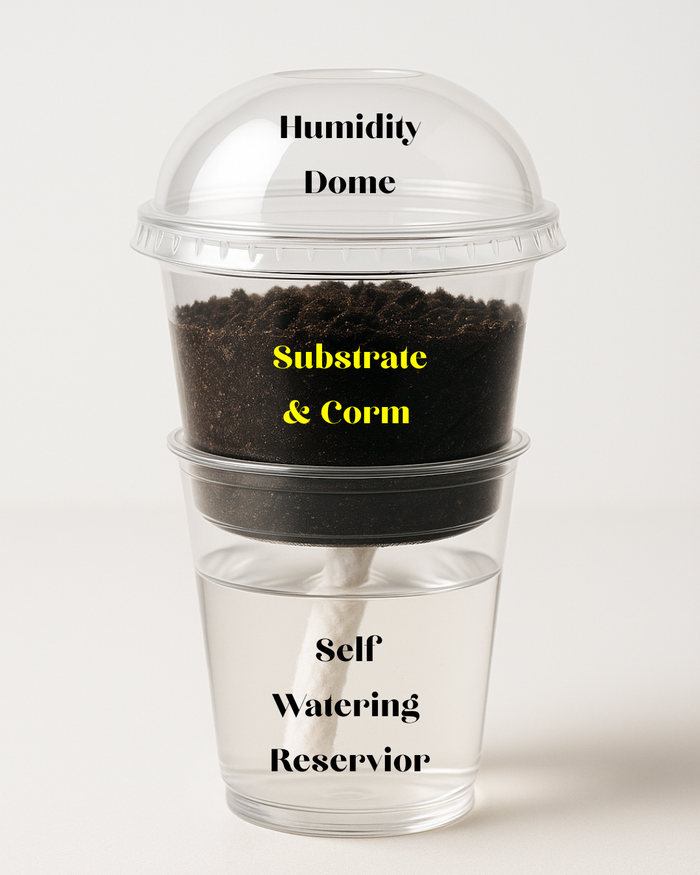
Self-Watering Pots Done Right:
When used correctly, self-watering systems actually reduce root rot risk:
- Water sits in separate reservoir, not in root zone
- Roots access water through capillary action as needed
- Substrate never waterlogged
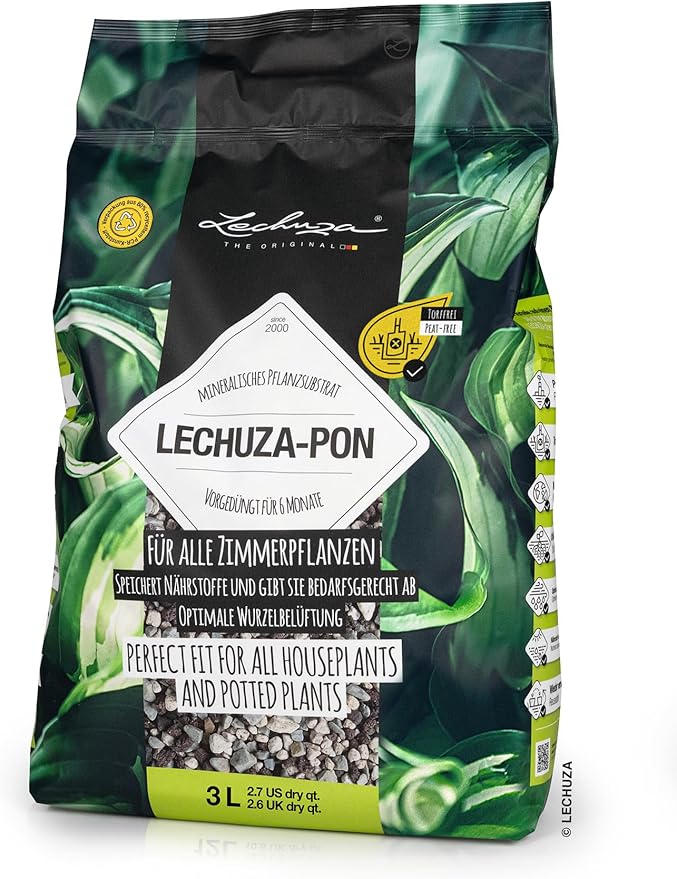
- Lechuza systems specifically designed for optimal performance
Critical: Change reservoir water every 2-3 weeks and allow to dry completely between refills
Size Appropriately:
- Container should be 2-5cm larger in diameter than root ball
- Too-large containers hold excess water roots cannot access
- Upsize gradually as plant grows rather than jumping to huge container
Environmental Optimisation
Temperature Management:
- Maintain 18-27°C consistently
- Protect from cold draughts (especially floor-level in winter)
- Ensure substrate temperature stays within optimal range
- Use heat mats for plants in cold locations
Humidity With Ventilation:
- Target 60-70% humidity for optimal growth
- Ensure adequate air circulation (fan on low speed)
- If growing in enclosed cabinet, install small circulation fan
- Balance humidity with air exchange to prevent stagnant conditions
Light Levels:
- Adequate light drives photosynthesis and growth
- Growing plants actively use water more efficiently
- LED grow lights maintain growth during winter
- Strong plants resist infection better than stressed plants
Sanitation and Hygiene
Tool Sterilisation:
- Clean pruning shears between plants with 70% isopropyl alcohol
- Wash pots thoroughly before reuse
- Sterilise substrate scoops and equipment regularly
- Never share tools between infected and healthy plants
Quarantine Protocol:
- Isolate new plants for 2-3 weeks minimum
- Monitor for pests and disease before introducing to collection
- Keep new arrivals separate until confirmed healthy
Water Quality:
- Use filtered, RO, or rainwater when possible
- If using tap water, let stand 24 hours to dissipate chlorine
- Change self-watering reservoir water regularly
- Don't let collected rainwater sit for weeks
Preventative Treatments
Beneficial Microbes:
Products containing Trichoderma, Bacillus subtilis, or mycorrhizal fungi colonise root zones and outcompete pathogenic organisms. These beneficial microbes are particularly effective in organic substrates.
Hydrogen Peroxide Drenches:
Dilute 3% hydrogen peroxide (10ml per litre water) applied monthly:
- Adds oxygen to root zone
- Kills some pathogens
- Breaks down to water after treatment
- Particularly useful for plants recovering from previous rot
Proper Nutrition:
Use our complete Alocasia feeding programme:
- Strong, healthy plants resist infection better
- Superthrive reduces transplant stress
- Silicon from Mills Vitalize strengthens cell walls
- Comprehensive nutrients prevent deficiency stress
Well-fed, vigorously growing plants have immune systems better equipped to fight off opportunistic pathogens.
Emergency Intervention: Saving Your Alocasia
When you identify root rot, immediate action dramatically improves survival chances. Every hour counts once rot establishes.
Step 1: Assess the Damage (15 minutes)
Remove plant from container: Carefully tip container and slide plant out. Don't pull on stems, support from below.
Examine roots thoroughly:
Healthy roots:
- White, cream, or light tan colour
- Firm when gently squeezed
- Distinct root hairs visible
- Clean, earthy smell
Rotting roots:
- Brown, black, or grey colour
- Mushy, slippery texture
- Disintegrate when touched
- Foul, sewage-like smell
- Slimy coating
Check corm/rhizome: This is critical, corm condition determines survival probability.
Healthy corm:
- Firm when gently pressed
- Cream or light brown colour
- No soft spots
- No discolouration
Compromised corm:
- Soft areas when pressed
- Dark discolouration
- Visible rot spreading from base
- Foul smell from corm tissue
Decision Point:
- If corm firm and healthy: 80-90% survival probability with proper treatment
- If corm has small soft spots: 50-60% survival probability
- If corm extensively soft/rotten: Below 20% survival probability, consider taking stem cuttings if possible
Step 2: Remove All Rotted Tissue (30-45 minutes)
This is the most critical step. You must be thorough and merciless.
Tools needed:
- Sharp, sterilised pruning shears or knife
- 70% isopropyl alcohol for tool sterilisation
- Bowl of water with fungicide or hydrogen peroxide solution
- Clean towels
- Fungicide powder (sulphur-based or copper-based)
Procedure:
Remove all substrate: Rinse roots under lukewarm water, gently removing all old substrate. You need to see every root clearly.
Cut away all rotted roots:
- Remove any root that is brown, black, mushy, or slimy
- Cut back to healthy white/cream tissue
- Sterilise shears between each cut (wipe with alcohol)
- If rot extends into corm, cut into firm tissue
- Better to remove too much than leave any rot behind
Trim any damaged or yellowing foliage:
- Remove leaves that are more than 50% yellow/brown
- Cut stems cleanly at base
- Reduces plant's water demands whilst roots regenerate
- Sterilise tools between cuts
Treat cut surfaces:
- Dust all cut areas with fungicide powder
- Pay special attention to any cuts into corm tissue
- Allow to dry for 15-20 minutes before proceeding
Step 3: Sterilise and Treat (20 minutes)
Hydrogen Peroxide Bath:
Prepare solution of 3% hydrogen peroxide (50ml per litre water). Submerge entire root system and lower corm for 10 minutes. This:
- Kills remaining pathogen spores
- Oxygenates tissues
- Provides oxidative cleaning
Fungicide Treatment:
After hydrogen peroxide treatment, apply systemic fungicide according to product instructions. This provides ongoing protection as plant recovers.
Air Dry:
Place plant on clean towel in well-ventilated area for 1-2 hours. This allows cut surfaces to callous slightly and fungicide to dry completely.
Step 4: Repot in Fresh, Sterile Media (30 minutes)
Never reuse old substrate. Pathogens will persist and reinfect the plant.
Recommended Recovery Media:
Fluval Stratum (Best Option):
- Lightweight, porous volcanic soil specifically designed for aquatic plants
- Provides exceptional aeration whilst retaining adequate moisture
- Naturally lowers pH slightly, discouraging pathogen growth
- Contains beneficial minerals that support root regeneration
- Allows easy monitoring of new root development in transparent containers
- Superior drainage prevents reinfection
- Rinse thoroughly before use to remove dust
Rockwool Cubes (Excellent Alternative):
- Inert growing medium with outstanding air-to-water ratio
- Used professionally for propagation and recovery
- Provides perfect moisture balance, never waterlogged
- Allows precise control over watering and nutrients
- Easy to monitor root development
- Sterile medium eliminates pathogen concerns
- Soak in pH-adjusted water (5.5-6.0) before use
LECA (Solid Option):
- Semi-hydroponic LECA setup provides maximum aeration
- Allows easy monitoring of new root development
- Prevents reinfection
- Rinse LECA thoroughly before use
Recovery Soil Mix (If Traditional Substrate Preferred): If using soil, create ultra-light blend:
- 50% perlite or pumice
- 30% orchid bark
- 20% quality potting compost
- Handful of horticultural charcoal
Container Selection:
- Use clean, sterilised pot
- Slightly smaller than original (less substrate to stay wet)
- Multiple large drainage holes
- Transparent containers ideal for monitoring root regrowth
Potting Procedure:
- Add 2-3cm substrate to container bottom
- Position corm on substrate bed
- Gently add media around corm, leaving top third exposed
- Do not compact substrate, leave loose for maximum aeration
- Water sparingly with dilute Superthrive solution (half strength)
Step 5: Recovery Environment (Ongoing)
Location:
- Warm (20-25°C constant)
- Bright indirect light or moderate LED grow lighting
- High humidity (70%+) but good air circulation
- Away from other plants initially
Watering:
- Water very sparingly initially
- Allow substrate to dry almost completely between waterings
- Roots must regenerate before plant can use water effectively
- Overwatering recovering plants undoes all your work
For Fluval Stratum: Keep lightly moist but never saturated. The porous nature means it dries faster than traditional substrates, so monitor closely.
For Rockwool Cubes: Water when cube feels light to the touch. Rockwool holds water well, so less frequent watering is needed. Never allow to become completely dry or completely saturated.
Monitoring:
- Check daily for new growth
- Watch for any signs of rot recurrence
- Look for new root tips (visible in transparent containers)
- Be patient, recovery takes 3-8 weeks
Feeding:
- No fertiliser for first 2-3 weeks
- After new growth appears, start feeding programme at half strength
- Superthrive particularly beneficial for recovery
- Gradually increase to full strength as plant establishes
Step 6: The Waiting Game (3-8 weeks)
This is the hardest part, patience whilst the plant regenerates.
What to Expect:
Weeks 1-2:
- Plant may lose remaining leaves (this is normal)
- Focus is entirely on root regeneration
- No visible above-ground growth yet
- Corm may shrink slightly as it uses stored reserves
Weeks 3-4:
- First new roots should appear (check transparent containers)
- Possible first signs of new leaf emergence
- Increase watering very slightly as roots develop
- Continue fungicide treatments if recommended by product
Weeks 5-8:
- New leaf growth becomes obvious
- Root system developing rapidly
- Can begin increasing water and nutrients
- Plant transitioning from recovery to normal growth
Success Indicators:
- New white root tips visible
- Firm, healthy corm
- New leaf unfurling
- Plant drinking water (substrate drying faster)
Failure Signs:
- Corm becoming increasingly soft
- Foul smell returning
- No root development after 4 weeks
- Black discolouration spreading
Advanced Recovery Technique: Water Culture Regeneration
For severely compromised plants where traditional recovery seems unlikely, water culture offers a last-chance option.
When to Use Water Culture
- Corm healthy but zero viable roots remaining
- Plant continuing to decline in substrate
- You want to monitor root development constantly
- Traditional recovery has failed
Procedure
Setup:
- Clean glass container (jar, vase) showing corm
- Fill with water treated with fungicide
- Position corm so bottom just touches water surface
- Add dilute Superthrive (2-3 drops per litre)
Maintenance:
- Change water every 3-4 days
- Keep in warm (22-25°C), bright location
- Maintain water level so corm bottom always touches surface
- Watch for new root emergence
Transition: Once roots reach 5-7cm length:
- Move to Fluval Stratum or Rockwool Cubes
- Water regularly with dilute nutrients
- Gradually acclimatise to normal growing conditions
Success Rate
Water culture recovery success rate: 40-60% for plants with healthy corms, near 0% if corm is compromised.
Special Considerations for Rare and Variegated Specimens
Losing common Alocasia to root rot is frustrating. Losing rare variegated specimens worth hundreds of pounds is devastating.
Extra Vigilance for Valuable Plants
More Frequent Monitoring:
- Check rare plants 2-3 times weekly
- Use transparent pots for easy root inspection
- Don't wait for obvious symptoms
Premium Growing Systems:
- Self-watering pots reduce risk
- Semi-hydroponic systems provide visual root monitoring
- Never cheap out on substrate for expensive plants
Preventative Treatments:
- Monthly hydrogen peroxide drenches
- Beneficial microbe inoculants
- Optimal nutrition programme
Recovery Priority for Rare Specimens
Aggressive Early Intervention: At first sign of problems, immediately:
- Remove from pot and inspect
- Cut away any questionable roots
- Repot in fresh Fluval Stratum or Rockwool Cubes
- Don't wait to "see if it gets better"
Consider Propagation Insurance:
- Separate any offsets as backup
- Corm division if large enough (creates duplicates)
Professional Fungicide Application: For very valuable specimens, use systemic fungicides:
- Apply according to instructions
- Repeat treatments as directed
- Worth the investment for rare plants
Long-Term Collection Management
Preventing root rot requires building systems and habits that create unfavourable conditions for pathogens.
Systematic Monitoring
Weekly Checks:
- Visual inspection of all plants
- Note any changes in appearance
- Check substrate moisture levels
- Remove any dead leaves (breeding ground for pathogens)
Monthly Deep Inspection:
- Lift plants to check drainage holes
- Inspect root visibility in transparent pots
- Assess substrate condition
- Check self-watering reservoir cleanliness
Seasonal Adjustments:
- Reduce watering in autumn/winter
- Increase air circulation in humid summer
- Adjust lighting with grow lights as seasons change
Record Keeping
Maintain simple records for valuable specimens:
- Repotting dates
- Substrate changes
- Watering frequency adjustments
- Any problems and treatments
- Growth patterns
This historical data helps you identify patterns and optimise care for each plant's specific needs.
Collection-Wide Best Practices
Quarantine Protocol:
- Isolate new plants 2-3 weeks minimum
- Inspect thoroughly before adding to collection
- New arrivals get extra monitoring
Sanitation Routine:
- Sterilise tools weekly
- Clean growing area monthly
- Remove dead leaves immediately
- Dispose of diseased substrate properly (not in compost)
Environment Optimisation:
- LED grow lights for consistent conditions
- Hygrometer and thermometer for monitoring
- Fan for air circulation
- Heat mats for cold locations
Building Resilience Through Superior Care
The absolute best defence against root rot is growing strong, healthy, vigorously growing plants that can resist opportunistic infections.
Complete Nutrition Programme
Use our proven plant feed system:
Essential Components:
- Complete base nutrients (Hydro Vega A&B)
- Superthrive for stress resistance
- Silicon (Mills Vitalize) for cell wall strength
- CalMag for structural integrity
- Root stimulators (Rhizotonic) for robust root systems
- Enzymes (Cannazym) for clean root zone
See our comprehensive feeding guide for detailed protocols.
Why Nutrition Matters:
- Strong cell walls resist pathogen penetration
- Vigorous growth allows quick recovery from stress
- Healthy plants produce natural defence compounds
- Robust root systems can tolerate minor damage
Optimal Growing Conditions
Light:
- Drives photosynthesis and active growth
- Strong growth uses water efficiently
- Prevents plants from sitting in wet substrate indefinitely
- LED grow lights maintain growth year-round
Temperature:
- 20-25°C optimal for both growth and disease resistance
- Consistent temperatures prevent stress
- Warm roots actively grow and repair
Humidity + Ventilation:
- 60-70% humidity supports growth
- Good air circulation prevents pathogen establishment
- Balance is key, humidity without ventilation invites problems
Strategic Substrate Choice
Cannot emphasise enough: substrate choice is the single most important factor in root rot prevention.
Our Recommendations (in order):
-
- Exceptional for root health and recovery
- Lightweight volcanic soil with superior aeration
- Excellent moisture balance
- Contains beneficial minerals
- Easy root monitoring in transparent pots
-
Rockwool Cubes
- Professional-grade propagation medium
- Perfect air-to-water ratio
- Sterile and pathogen-free
- Precise moisture control
- Ideal for high-value specimens
-
- Maximum root visibility
- Superior aeration
- Steeper learning curve but excellent results
-
- Open, mineral-based structure
- Excellent aeration
- Does not compact
-
Custom Soil Blend
- 40% compost, 30% perlite, 20% bark, 10% charcoal
- Must replace annually
- Requires careful watering
When to Accept Loss
Despite best efforts, sometimes plants cannot be saved. Recognising this prevents wasting time on doomed specimens whilst salvageable plants go untreated.
Unrecoverable Situations
Corm Completely Rotten: If corm is soft throughout, smells foul, and shows black discolouration extending deep into tissue, recovery is impossible. The plant has no viable storage organ from which to regenerate.
Systemic Bacterial Infection: If stems and corm show black streaking internally, bacterial vascular wilt has spread systemically. No treatment exists.
Extended Neglect: Plants left in waterlogged conditions for many weeks may have damage beyond recovery even if corm appears superficially intact.
Salvage Options
Before Discarding:
- Check for any viable offsets (small plants around main corm)
- Look for firm portions of corm that could be cut away and propagated
- Consider taking stem cuttings if any healthy stems remain
Learning Opportunity:
- Photograph the damage for reference
- Review care records to identify what went wrong
- Adjust practices for remaining collection
Safe Disposal:
- Do not compost diseased plant material
- Dispose of in household waste
- Thoroughly clean and sterilise pot before reuse
Success Stories: Recovery Is Possible
Throughout our years growing Alocasia, we've successfully recovered hundreds of plants from root rot, including extremely valuable variegated specimens. The key factors in successful recovery:
Early Detection: Catching rot in early stages (slight wilting, minor yellowing) yields 80-90% recovery rates.
Aggressive Intervention: Removing all rotted tissue completely, even if it means cutting away 90% of root system.
Optimal Recovery Environment: Warm temperatures, high humidity, good air circulation, and proper lighting.
Patience: Understanding that recovery takes 4-8 weeks minimum, sometimes longer for severely damaged plants.
Superior Media: Moving recovered plants to Fluval Stratum, Rockwool Cubes, or LECA where root development can be monitored.
Building Your Root Rot Defence System
Create a comprehensive prevention and response system for your collection:
Prevention Toolkit
Essential supplies to keep on hand:
- Fluval Stratum for emergency repotting
- Rockwool Cubes for recovery
- Quality substrates for routine growing
- Self-watering pots for consistent moisture
- Hydrogen peroxide (3% solution)
- Fungicide powder (sulphur or copper-based)
- Systemic fungicide for severe cases
- Sharp sterilised pruning tools
- Isopropyl alcohol (70%) for sterilisation
- Complete plant feed programme
Emergency Response Kit
When rot strikes, you need immediate access to:
- Fresh Fluval Stratum
- Rockwool Cubes
- Clean pots in various sizes
- Fungicide treatments
- Superthrive for recovery support
- Rooting hormone (for severe cases)
- Heat mat for maintaining recovery temperature
Explore Healthy Alocasia and Quality Growing Supplies
Build your collection on a foundation of healthy, vigorous plants and superior growing systems:
Healthy Plants:
- Mature Alocasia - Established, robust specimens
- Juvenile Plants - Young plants with healthy root systems
- Corms - Fresh starts with no existing root issues
- All Alocasia Collection
Superior Growing Systems:
- Fluval Stratum - Premium volcanic substrate
- Lechuza Self-Watering Pots
- Our Soil Ninja Substrate Mix
- Semi-Hydroponic Substrates
- Self-Watering Pots
Complete Nutrition:
Environmental Control:
Questions about preventing or recovering from root rot, optimal growing systems, or building a healthy Alocasia collection? Contact our team for expert guidance from specialists who have successfully recovered countless plants from root rot in our UK-based private nursery. We've learned through both success and failure exactly what works, and we're here to help you avoid the mistakes we've made whilst building your dream collection.