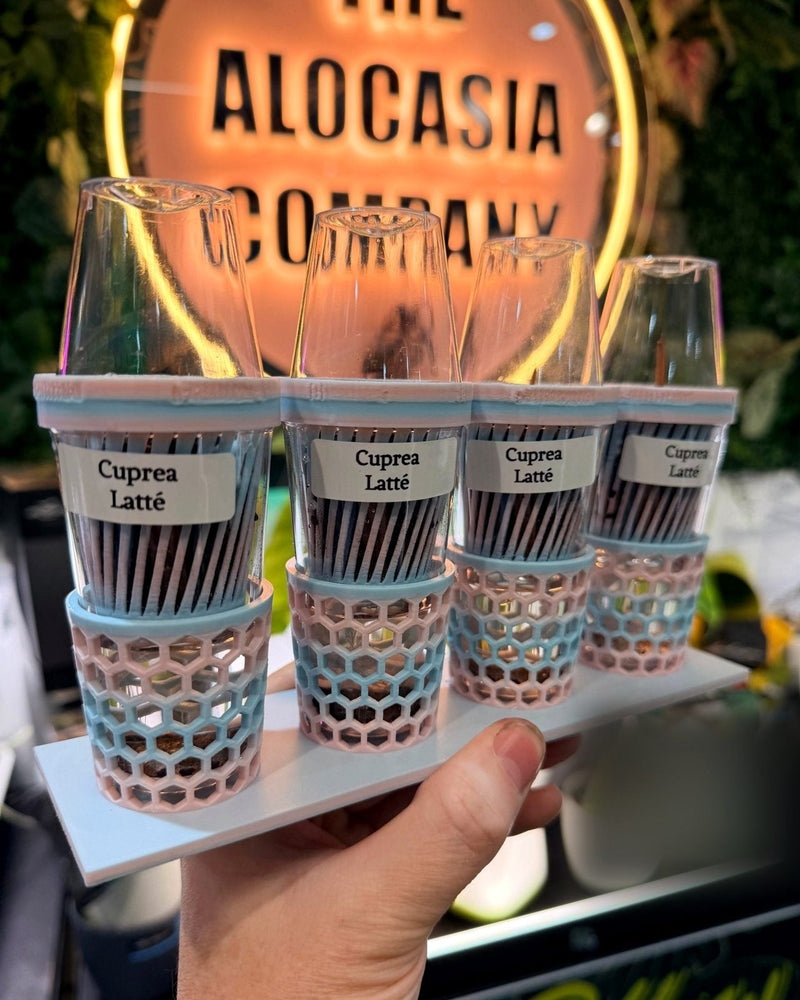

Self-Watering Corm Pots: A Game Changer for Alocasia Enthusiasts
If you're a passionate plant lover, especially when it comes to caring for beautiful and sometimes finicky plants like the alocasia, you know that the journey from corm to lush foliage can be both rewarding and challenging. You need to know corm propagation! One innovation that's gaining momentum among rare plant collectors and garden enthusiasts alike is the use of self watering corm pots with humidity dome. These pots are particularly handy when propagating or growing rare plants such as alocasia from corms. In this post, we'll explore why self-watering starter cups are an excellent choice for nurturing your alocasia corm and share tips on how to get the best from them.
Understanding the Needs of Alocasia Plants
Alocasia species are admired for their striking, often large leaves with unique patterns and textures. However, their tropical origins mean they require specific care, they thrive in warm, humid environments with consistent moisture but dislike waterlogged soil. When growing alocasia from corms, ensuring that the medium stays moist but not soggy is crucial to prevent rot and support healthy root development.
This is where self-watering starter cups come into play. Unlike traditional pots, these cups allow for controlled water delivery right at the roots, making it easier to maintain the perfect moisture level for young alocasia plants.
What Are Self-Watering Corm Pots?
Self-watering corm pots with humidity dome are small containers designed to provide plants with a steady supply of water without the need for frequent watering. Typically, they consist of two parts: a reservoir that holds water and a planting area separated by a wick or special perforated barrier. The setup allows plants to draw water as needed through capillary action, ensuring roots are never too dry while avoiding the risk of overwatering.
For rareplant aficionados aiming to grow an alocasia from corm, these cups create a stable environment during the delicate early stages of growth. Maintaining consistent moisture promotes quicker and healthier sprouting and root growth.
Ready To Buy Self Watering Corm Pots: Self Watering Corm Pots With Humidity Domes
Advantages of Using Self-Watering Cups for Alocasia Corms
1. Optimal Moisture Control
Alocasia corms require consistent but moderate moisture. Self-watering starter cups naturally regulate water intake, reducing fluctuations that might stress the plant. This is especially helpful for newcomers who might worry about overwatering or underwatering.
2. Reduced Risk of Root Rot
Because the growing medium isn’t constantly soaked and excess water drains into the reservoir, the risk of root rot, common with alocasia, is substantially lowered. Better aeration around the roots encourages robust growth.
3. Less Frequent Watering
Busy people will appreciate that self-watering systems reduce the frequency of watering needed. This convenience allows for steady plant care even when life is hectic or during brief absences.
4. Enhanced Germination and Growth
For rare plants like alocasia that can sometimes be slow or challenging to propagate from corms, the stable moisture environment accelerates germination and early development, helping your rare alocasia get a strong start.
How to Use Self-Watering Starter Cups for Your Alocasia Corm
Make Self Watering Corm Pot
Step 1: Prepare the Cup
Fill the reservoir with water. Add a diluted balanced fertiliser to encourage initial growth, but avoid overfeeding seedlings.
Step 2: Choose the Right Growing Medium
Use a well-draining soil mix, such as one with Fluval stratum, perlite, or sphagnum moss, to maintain aeration. Avoid heavy or compacted mixes since alocasia roots prefer loose soil.
Step 3: Plant the Corm
Place your alocasia corm just beneath the surface of the growing medium. The crown should be slightly exposed or just covered to avoid rot.
Step 4: Monitor the Water Level
Keep an eye on the water reservoir and refill as needed. Using transparent cups helps monitor water levels clearly.
Step 5: Provide Ideal Conditions
Place the starter cup in a warm, bright location with indirect sunlight and high humidity. Alocasia plants love warmth and humidity but avoid direct sun that might scorch tender leaves.
Check Out Some Grow Essentials: Buy Grow Essentials
Caring for Your Alocasia After Sprouting
Once your alocasia starts putting out leaves, you can gradually transition it to larger pots and introduce normal watering routines. Continue to provide humidity and maintain consistent warmth. If conditions are right, your rare alocasia will reward you with dramatic foliage and healthy growth for years to come.
You want to move to slightly larger self watering plant pots: Self Watering Pot System
Final Thoughts
For anyone who adores alocasia and other rare plants, ensuring a successful start from an alocasia corm is paramount. Self-watering starter cups are a remarkably effective, low-maintenance way to nurture your plants through their most vulnerable phase. With better moisture control and reduced risk of root rot, these cups make the propagation process more accessible and enjoyable, particularly for newbie or collectors seeking to expand their rare plant collection.
Incorporating self-watering starter cups into your propagation toolkit could be the missing link between a struggling start and thriving alocasia specimens. So why not give these small but mighty tools a try and watch your alocasia flourish? Your garden, and your plant-loving heart, will thank you!
Visit The Alocasia Company: www.thealocasiacompany.co.uk
Questions about self-watering corm pots? Contact our team for guidance from specialists who grow rare Alocasia in our UK-based private nursery. We are happy to help.